Everything You Need to Know About Apicoectomy in New York
We will always work hard to give you the best possible experience and highest standard of care.

Welcome to our blog post, where we delve into the fascinating world of dental procedures and shed light on an often misunderstood technique called apicoectomy. If you’ve ever experienced a persistent toothache or suffered from a dental infection that just won’t go away, then this article is for you. In today’s discussion, we will explore everything you need to know about apicoectomy in New York: what it is, how it’s performed, its benefits and risks, as well as what to expect after undergoing this procedure. So sit back, relax, and get ready to discover the ins and outs of apicoectomy – your ticket to a healthier smile!
What is an Apicoectomy?
An apicoectomy, also known as root-end surgery, is a minor surgical procedure performed by endodontists to treat infections or inflammation in the tip of the tooth’s root. It is typically recommended when conventional root canal treatment fails to resolve the issue.
During an apicoectomy, the infected tissue and any damaged surrounding bone are carefully removed. The endodontist then seals off the end of the root with a small filling material to prevent further infection. This targeted approach allows for precise removal of infected tissue while preserving as much healthy tooth structure as possible.
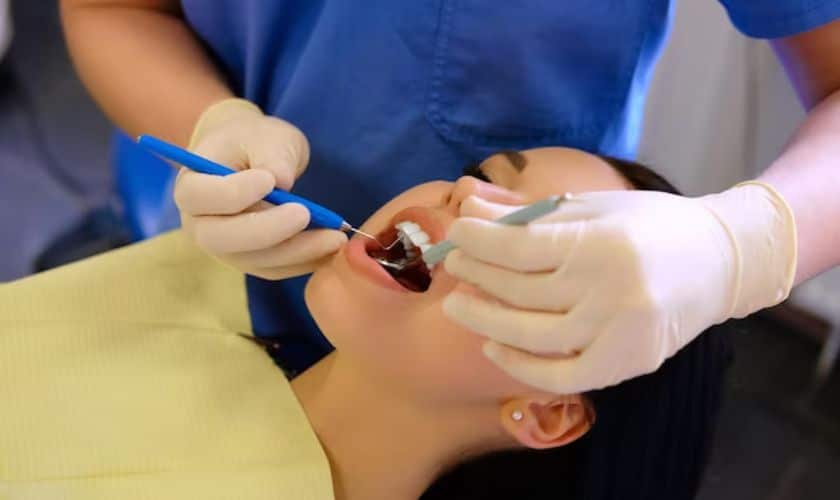
To perform an apicoectomy, your dentist will start by administering local anesthesia to ensure your comfort throughout the procedure. They will create a small incision near the affected tooth, gaining access to the underlying bone and root tip.
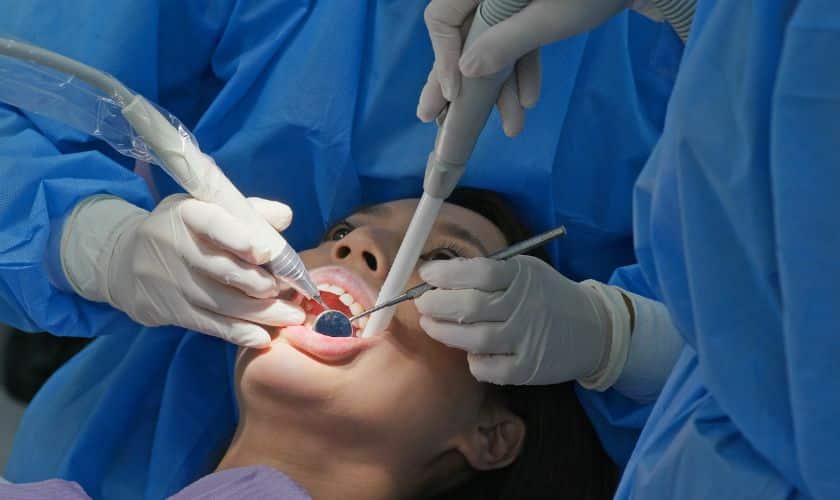
Using specialized instruments and magnification tools such as microscopes, they will carefully remove any infected or inflamed tissue from around the apex (tip) of the tooth’s root. Once cleaned out thoroughly, they will seal off the area with a biocompatible material like dental cement to promote healing and prevent reinfection.
Apicoectomies are typically performed under local anesthesia on an outpatient basis, meaning you can go home on that same day without needing overnight hospitalization. While every case is unique, this procedure generally takes about 30-90 minutes per tooth depending on its complexity.
Stay tuned for our next blog section where we dive deeper into how an apicoectomy is performed!
How is an Apicoectomy Performed?
An apicoectomy, also known as a root-end surgery, is a dental procedure that involves the removal of the tip of a tooth’s root and infected tissue surrounding it. This surgical technique is typically performed when a conventional root canal treatment has failed to fully resolve an infection.
The first step in performing an apicoectomy is to administer local anesthesia to ensure the patient’s comfort throughout the procedure. Once numbness has been achieved, your endodontist will make a small incision in the gum tissue near the affected tooth, providing access to the underlying bone.
Using microsurgical instruments and magnification devices, your endodontist will carefully remove any infected or damaged tissue from around the root tip. The apex of the root will be resected and sealed with a biocompatible material to prevent further infection.
Afterward, sutures are placed to close up the incision site and promote proper healing. In some cases, a small filling may be placed at this time as well.
An apicoectomy is considered a minor surgical procedure that can usually be completed within one visit. It offers patients who have persistent infections or other complications with their teeth another chance for successful treatment while preserving their natural teeth.
The Benefits and Risks of an Apicoectomy
When it comes to treating a dental infection that has reached the root tip of a tooth, an apicoectomy can be a highly effective solution. This minor surgical procedure offers several benefits for patients in need.
One major benefit is the preservation of natural teeth. Unlike other treatments like extractions, an apicoectomy allows you to keep your tooth intact. This means that you won’t have to worry about gaps in your smile or the need for artificial replacements.
Another advantage is the elimination of infection. By removing the infected tissue at the root tip, an apicoectomy helps prevent further spread of bacteria and potential complications such as abscesses or bone loss.
Additionally, this procedure often provides long-term relief from pain and discomfort caused by persistent infections. By addressing the underlying issue, patients can experience improved oral health and overall well-being.
Of course, like any medical intervention, there are some risks associated with an apicoectomy. These include possible damage to surrounding structures during surgery and post-operative swelling or bruising. However, these risks are typically minimal when performed by a skilled endodontist using advanced techniques.
To fully understand if an apicoectomy is right for you, it’s important to consult with a qualified dental professional who can evaluate your unique situation and provide personalized recommendations tailored to your needs.
In conclusion (as per writing instructions), while there are potential risks involved in undergoing an apicoectomy procedure, its numerous benefits make it a valuable option for those seeking effective treatment for dental infections affecting their root tips. Consultation with a trusted dentist will help determine whether this procedure aligns with your specific circumstances
What to Expect After an Apicoectomy in New York
After undergoing an apicoectomy in New York, it’s important to know what to expect during the recovery process. Each individual’s experience may vary, but here are some general guidelines to keep in mind.
Immediately after the procedure, you can expect some minor discomfort and swelling in the affected area. Your dentist or oral surgeon will provide you with instructions on how to manage any pain or discomfort. It is common for your jaw to feel sore and tender, so sticking to a soft diet for a few days can help minimize any irritation.
You may also notice some bruising around your face or neck, which should gradually fade over time. Applying ice packs intermittently can help reduce swelling and alleviate any discomfort.
It is crucial to follow your post-operative care instructions diligently. This includes taking prescribed medications as directed and avoiding activities that could put pressure on the treated area. You should avoid smoking, using straws, or vigorously rinsing your mouth for at least 24 hours following the procedure.
In most cases, stitches used during an apicoectomy are self-dissolving and do not require removal. However, if you have non-dissolvable sutures, your dentist will schedule a follow-up appointment where they will remove them once healing has progressed sufficiently.
While everyone’s recovery timeline varies slightly based on their unique circumstances, most people can resume their normal activities within a week or two following an apicoectomy. However, it is essential to listen to your body and give yourself ample time to heal fully before engaging in strenuous physical activity or eating challenging foods.
Remember that every person heals differently; therefore, it is crucial not compare your progress with others who have undergone similar procedures. If you have any concerns about your recovery process or experience severe pain that does not subside with medication prescribed by your dentist/surgeon call them immediately!
Though proper post-operative care combined with rest and patience allows patients who undergo an apicoectomy in New York to return to their normal routine with a healthier and pain-free smile.
Conclusion
An apicoectomy is a surgical procedure that may be recommended when conventional root canal treatment is not sufficient to save a tooth. It involves the removal of the infected tip of the tooth’s root and sealing it off to prevent further infection.
During an apicoectomy in New York, your dentist will make a small incision near the affected tooth and remove any infected tissue or debris. The end of the root is then carefully removed before being sealed with a filling material.
There are several benefits to opting for an apicoectomy over extraction, including preserving your natural tooth and maintaining proper oral function. Additionally, this procedure can alleviate pain and discomfort associated with persistent infections.
While rare, there are risks involved with any surgical procedure. These may include temporary swelling or bruising in the treated area, as well as potential damage to nearby nerves or blood vessels. However, these risks can be minimized by choosing an experienced dentist who specializes in performing apicoectomies.
After undergoing an apicoectomy in New York, you can expect some mild discomfort and swelling for a few days following the procedure. Your dentist will provide specific aftercare instructions to help manage any post-operative issues.
If you have been experiencing persistent dental pain or have been told that you require advanced treatment such as an apicoectomy, it is important to consult with a skilled dentist who specializes in this field. They will assess your situation thoroughly and provide personalized recommendations based on your unique circumstances.
Remember that prevention is always better than cure when it comes to dental health. Maintaining good oral hygiene practices such as regular brushing and flossing can go a long way towards preventing infections that may lead to the need for complex procedures like an apicoectomy.
By staying informed about all available treatment options for dental issues like infected roots, you can make confident decisions about your oral health care plan. With advances in dentistry techniques today, even complex procedures like apicoectomies can be performed with precision and success.