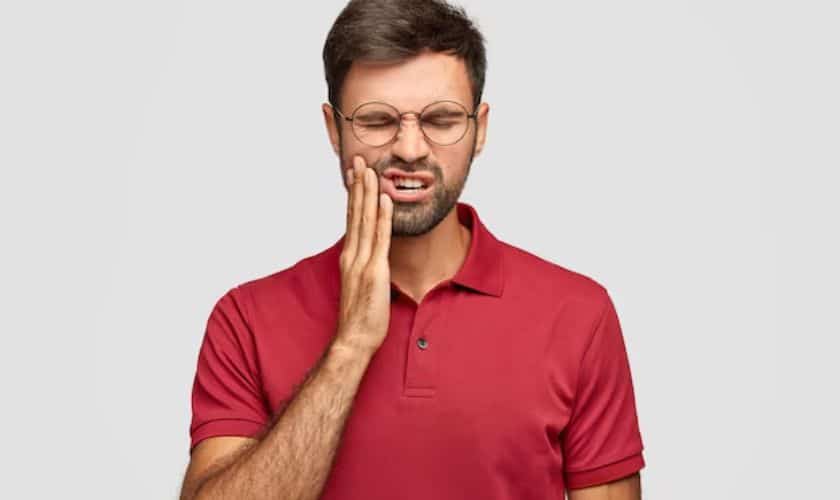
Understanding the Causes and Symptoms of Cracked Teeth
We will always work hard to give you the best possible experience and highest standard of care.

Welcome to our blog post on cracked teeth! Have you ever experienced a sharp pain or discomfort when biting into your favorite food? Or maybe you’ve noticed an unusual sensitivity in one of your teeth that just won’t go away. These could be signs of a cracked tooth, a common dental concern that can cause significant discomfort and potentially lead to more serious issues if left untreated.
In this article, we will delve into the causes and symptoms of cracked teeth, explore preventive measures to keep your pearly whites intact, discuss available treatment options, and emphasize the importance of seeking professional help. So let’s dive right in and gain a better understanding of this dental dilemma!
Common Causes of Cracked Teeth
Common causes of cracked teeth can stem from a variety of factors. One common cause is biting down on hard objects, such as ice, popcorn kernels, or even pens and pencils. The force exerted on the teeth when chewing or biting into these objects can lead to cracks or fractures.
Another common cause is tooth grinding or clenching, also known as bruxism. This habit puts excessive pressure on the teeth, which can weaken their structure over time and make them more prone to cracking.
Accidents or trauma to the mouth are also frequent culprits of cracked teeth. A fall, sports injury, or any impact to the face can result in cracks or fractures in the teeth.
Furthermore, large fillings that weaken the tooth’s integrity may increase its susceptibility to cracking. These fillings create stress points within the tooth structure that can eventually lead to cracks.
Additionally, age-related wear and tear can contribute to cracked teeth. As we age, our enamel naturally becomes thinner and weaker, making our teeth more vulnerable to cracking.
It’s important not only for your dental health but also for your overall well-being to be aware of these common causes of cracked teeth so that you can take preventive measures accordingly.
Signs and Symptoms of Cracked Teeth
Cracked teeth can be a common dental problem, but they are not always easy to detect. In fact, many people may have cracked teeth without even realizing it. However, there are certain signs and symptoms that can indicate the presence of a cracked tooth.
One of the most common symptoms is tooth sensitivity. You may experience pain or discomfort when biting down on certain foods or when consuming hot or cold beverages. This sensitivity occurs because the crack in your tooth exposes the sensitive inner layers to external stimuli.
Another sign of a cracked tooth is intermittent pain that comes and goes. The pain may be sharp and localized to a specific area in your mouth. It can also be triggered by chewing or biting down on something hard.
You might also notice swelling around the affected tooth or gum line. This swelling occurs due to inflammation caused by infection that can develop as bacteria enter through the crack in your tooth.
In some cases, you might feel sudden relief from pain when you release pressure on your tooth after biting down on something hard. This phenomenon known as “release of bite” indicates an underlying crack.
If you suspect you have a cracked tooth based on these signs and symptoms, it’s important to seek professional help from a dentist as soon as possible. They will perform a thorough examination and recommend appropriate treatment options based on their findings.
Remember, early detection and intervention are key in preventing further damage to your teeth and avoiding potential complications associated with untreated cracks such as infections or fractures reaching deeper into the root canal system.
Don’t ignore any signs or symptoms that could indicate a cracked tooth; take action promptly for optimal oral health.
How to Prevent Cracked Teeth
Preventing cracked teeth is essential for maintaining a healthy and pain-free smile. Here are some tips to help you keep your pearly whites intact:
- Wear a mouthguard: If you participate in contact sports or grind your teeth while sleeping, wearing a custom-made mouthguard can provide valuable protection against tooth fractures.
- Avoid hard foods and ice chewing: Crunching on ice cubes or biting into hard candies can put excessive pressure on your teeth, increasing the risk of cracks. Stick to softer foods and be cautious when eating crunchy snacks.
- Don’t use your teeth as tools: Your teeth are meant for eating, not opening packages or cracking open nuts! Using them as tools can lead to fractures or chips.
- Maintain good oral hygiene: Brushing twice daily with fluoride toothpaste and flossing regularly helps keep your teeth strong and reduces the likelihood of decay that may weaken enamel.
- Regular dental check-ups: Visiting your dentist every six months allows them to identify any signs of weakened enamel or potential issues before they become major problems.
- Address bruxism (teeth grinding): If you have bruxism, talk to your dentist about treatment options such as wearing a night guard while sleeping to prevent unnecessary stress on your teeth.
By following these preventive measures, you can significantly reduce the risk of developing cracked teeth and maintain optimal oral health for years to come!
Treatment Options for Cracked Teeth
When it comes to treating cracked teeth, the appropriate course of action will depend on the severity and location of the crack. In some cases, a simple filling may be sufficient to repair a small crack. This involves removing any decay or damaged tooth material and filling the crack with a composite resin material that matches the color of your natural teeth.
For more significant cracks that extend into the root of the tooth, root canal therapy may be necessary. This procedure involves removing infected or damaged pulp from within the tooth and sealing it off with a dental crown to provide strength and protection.
In situations where there is extensive damage or if a significant portion of the tooth has broken off, extraction may be required. After extraction, options for replacing the missing tooth include bridges, dentures, or dental implants.
It’s important to note that seeking professional help as soon as possible is crucial when dealing with cracked teeth. A dentist will conduct a thorough examination to determine an appropriate treatment plan based on your specific situation.
Remember, never delay addressing a cracked tooth because it can lead to further complications such as infection or additional damage. Don’t hesitate to reach out to your dentist if you suspect you have a cracked tooth – they are equipped with knowledge and expertise in providing effective treatment options tailored to your needs.
The Importance of Seeking Professional Help
When it comes to cracked teeth, seeking professional help is crucial. While you may be tempted to ignore the issue or try home remedies, it’s important to remember that a cracked tooth can lead to serious complications if left untreated.
First and foremost, only a dental professional has the expertise and tools necessary for accurate diagnosis. They will be able to determine the severity of the crack and provide appropriate treatment options. Trying to self-diagnose or treat a cracked tooth can result in further damage or infection.
Additionally, seeking professional help ensures that you receive timely treatment. Cracked teeth can cause significant pain and discomfort, affecting your ability to eat, speak, and even sleep properly. By visiting a dentist promptly, you can alleviate these symptoms and restore your oral health.
Furthermore, dentists have access to advanced techniques and materials for repairing cracked teeth. Whether it’s bonding, crowns, or root canal therapy, they have the knowledge and skills needed for effective treatment. Attempting DIY solutions may not only be ineffective but could also worsen the condition of your tooth.
Regular dental check-ups are essential for early detection of cracks before they become more severe. Dentists are trained in identifying subtle signs of cracks that might go unnoticed by an untrained eye.
Understanding the causes and symptoms of cracked teeth is essential for maintaining optimal oral health. Cracked teeth can result from various factors, including trauma, tooth decay, grinding or clenching of teeth, and aging. The symptoms of a cracked tooth may vary but can include pain when biting down, sensitivity to hot or cold temperatures, and intermittent discomfort.
Preventing cracked teeth starts with practicing good oral hygiene habits such as regular brushing and flossing. Additionally, wearing a mouthguard during activities that increase the risk of dental trauma can help protect your teeth from cracks. Avoid chewing on hard objects like ice or popcorn kernels to minimize the chances of developing cracks in your teeth.
If you suspect you have a cracked tooth, it is crucial to seek professional help promptly. A dentist will be able to accurately diagnose your condition through a thorough examination and recommend appropriate treatment options tailored to your specific needs.
Treatment for cracked teeth may range from bonding or dental fillings for minor cracks to root canal therapy or crown placement for more severe cases. In some instances, extraction might be necessary if the crack extends deep into the root structure.
Remember that ignoring a cracked tooth could lead to further complications such as infection or even tooth loss. By addressing the issue early on and seeking professional care without delay, you can prevent potential long-term consequences while preserving your smile’s health and beauty.
Being proactive about understanding the causes and symptoms of cracked teeth empowers you with knowledge that allows you to maintain good oral health practices. By taking preventative measures and seeking timely treatment when needed, you can safeguard against potential dental issues associated with cracked teeth. Remember always; healthy smiles start with awareness!