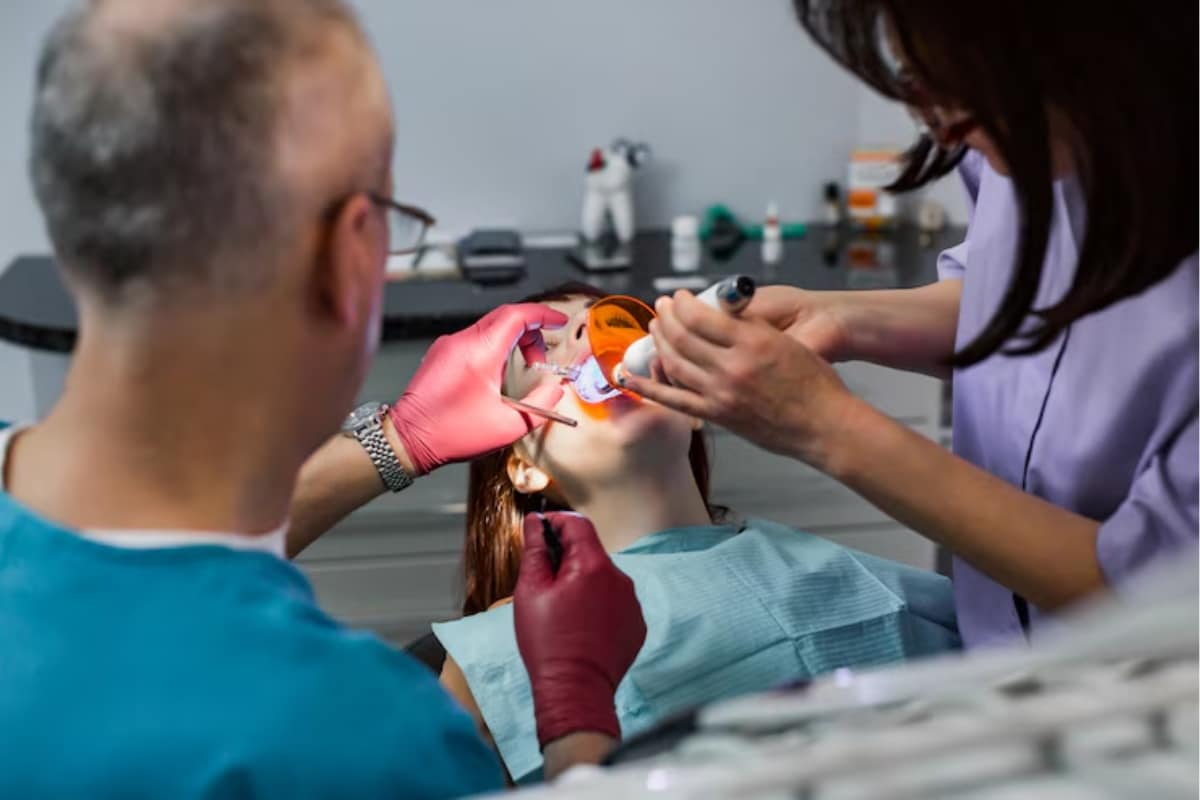
Unveiling the Basics of Endodontics: What New Yorkers Need to Know
We will always work hard to give you the best possible experience and highest standard of care.

Endodontics is a specialized branch of dentistry that focuses on the treatment of dental pulp and tissues surrounding the roots of teeth. Understanding the fundamentals of endodontics is essential to appreciate its importance in maintaining oral health. In this guide, we will explore the basics of endodontics, its significance, and how it impacts the dental care of New Yorkers.
Endodontics: A Brief Overview
Endodontics, derived from the Greek words “endo” meaning inside and “odons” meaning tooth, involves the study and treatment of the dental pulp, which consists of nerves, blood vessels, and other tissues inside the tooth. The most common endodontic procedure is a root canal, where the infected or damaged pulp is removed, and the tooth is sealed to prevent further infection.
Importance of Endodontics
a. Preserving Natural Teeth: Endodontics helps save natural teeth that would otherwise need to be extracted due to infection or trauma, allowing individuals to maintain their natural smile and oral functionality.
b. Pain Relief: Endodontic treatments like root canals alleviate severe toothaches caused by infected dental pulp, providing immediate pain relief and improving oral comfort.
c. Preventing Infections: By treating infected dental pulp, endodontic procedures prevent the spread of infection to neighboring teeth, gums, and even the jawbone.
d. Improving Overall Oral Health: Preserving natural teeth through endodontic treatments contributes to better overall oral health, ensuring a strong bite and preventing adjacent teeth from shifting.
Common Endodontic Procedures
a. Root Canal Therapy: This is the most prevalent endodontic procedure, involving the removal of infected or damaged dental pulp, followed by cleaning, shaping, and sealing the tooth to prevent reinfection.
b. Apicoectomy: In cases of persistent infection after a root canal, an apicoectomy involves removing the tip of the tooth’s root and sealing it to eliminate the infection.
c. Pulpotomy: Commonly performed on children, a pulpotomy involves the removal of infected pulp in the crown portion of a tooth while preserving the pulp in the root.
d. Endodontic Retreatment: If a previous root canal treatment fails or complications arise, endodontic retreatment involves redoing the root canal to save the tooth.
Choosing an Endodontist in New York
a. Credentials and Qualifications: Ensure the endodontist is a licensed dental professional with specialized training and experience in endodontics.
b. Advanced Technology: Look for a practice that utilizes modern technology and equipment for accurate diagnosis and efficient endodontic treatments.
c. Patient Testimonials: Read reviews and testimonials from previous patients to gauge the satisfaction and quality of care provided by the endodontist.
d. Accessibility and Location: Consider the convenience of the location and accessibility of the endodontic practice, ensuring it’s easily reachable in case of emergencies.
Promoting Dental Health in New York
a. Regular Dental Check-ups: Schedule regular dental check-ups with both your general dentist and an endodontist to ensure early detection and timely treatment of any dental issues.
b. Oral Hygiene: Maintain good oral hygiene by brushing twice a day, flossing, and using an antiseptic mouthwash to prevent infections and cavities.
c. Healthy Diet Choices: Choose a balanced diet rich in fruits, vegetables, and dairy products to support dental health and overall well-being.
Endodontics plays a crucial role in preserving natural teeth and alleviating dental pain. New Yorkers should be informed about the basics of endodontics to prioritize their oral health effectively. By understanding the significance of endodontic treatments and choosing the right endodontist, individuals can ensure their smiles remain healthy and vibrant throughout their lives. Regular dental care and proactive measures are the key to a beautiful and functional smile.